An open door policy is not a speak up culture.
I've walked into a LOT of organisations over the last 13 years that were genuinely proud of their open door policy. Their survey scores. Their "we encourage feedback here" rhetoric.
And I've also walked into the same organisations and met the person who hadn't raised something in eight months because they had no idea how to say it without blowing everything up.
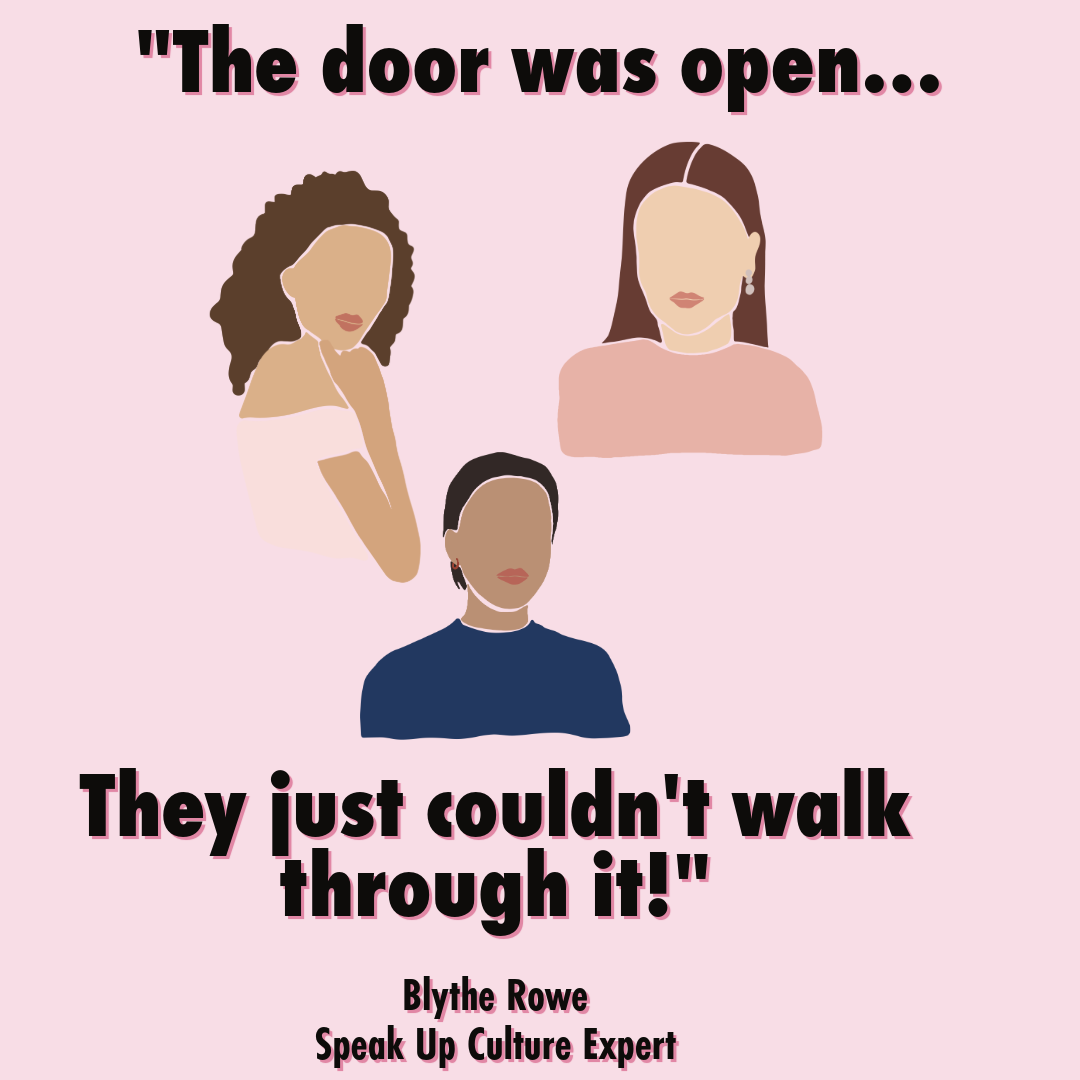
The door was open.
They just couldn't walk through it.
That's not a speak up culture. That's a really well-intentioned gap. This blog explores this concept in more detail, the cost of getting it wrong, what the neuroscience tells us and the three key ingredients to having a Speak Up Culture.
You know the cost of staying silent and that intervention is about skills, not just courage. This post breaks down practical steps to go from reader to upstander, including reflection, low-risk interventions, finding your language, training, and building a supportive network. Every action creates a safer, more inclusive workplace.
Witnessed something wrong and froze? Effective bystander intervention isn’t about courage alone — it’s about skills, practice, and having multiple ways to act. This blog explores the intervention spectrum, language that works, and how scenario practice builds real capability.
Culture isn’t shaped by policies — it’s shaped by what you permit. This blog explores how every choice, action, and intervention shapes workplace behaviour and creates the standard for others to follow.
Speaking up isn’t about courage — it’s about skill. This blog explores why most people freeze in tough moments, how training changes outcomes, and why building intervention skills matters more than bravery.