Ever watched a team member’s face shut down mid-feedback? Eyes glaze over, arms cross, responses turn short and sharp. Chances are they’ve registered a threat, and clear thinking has just become much harder.
Here’s what many leaders don’t realise: your stress can become their stress. If you walk into a conversation sleep-deprived, frustrated or rushing between meetings, that energy shows up in your tone, pace and body language, and the other person tends to pick it up quickly. Psychologists call this emotional contagion.
The neuroscience
When the brain detects a threat, the stress response can dampen activity in the prefrontal cortex, the region involved in reasoning, planning and impulse control. Psychologist Daniel Goleman popularised this as an “amygdala hijack”. Your carefully crafted feedback isn’t being fully processed. The person is moving into fight, flight or freeze, which is why their reaction is often defensive, angry or withdrawn.
Social threats such as criticism, rejection and unfairness also engage brain regions that overlap with those involved in physical pain. This research, led by Naomi Eisenberger and Matthew Lieberman at UCLA, helps explain why “You’re not performing” can land far harder than you intended.
What actually works
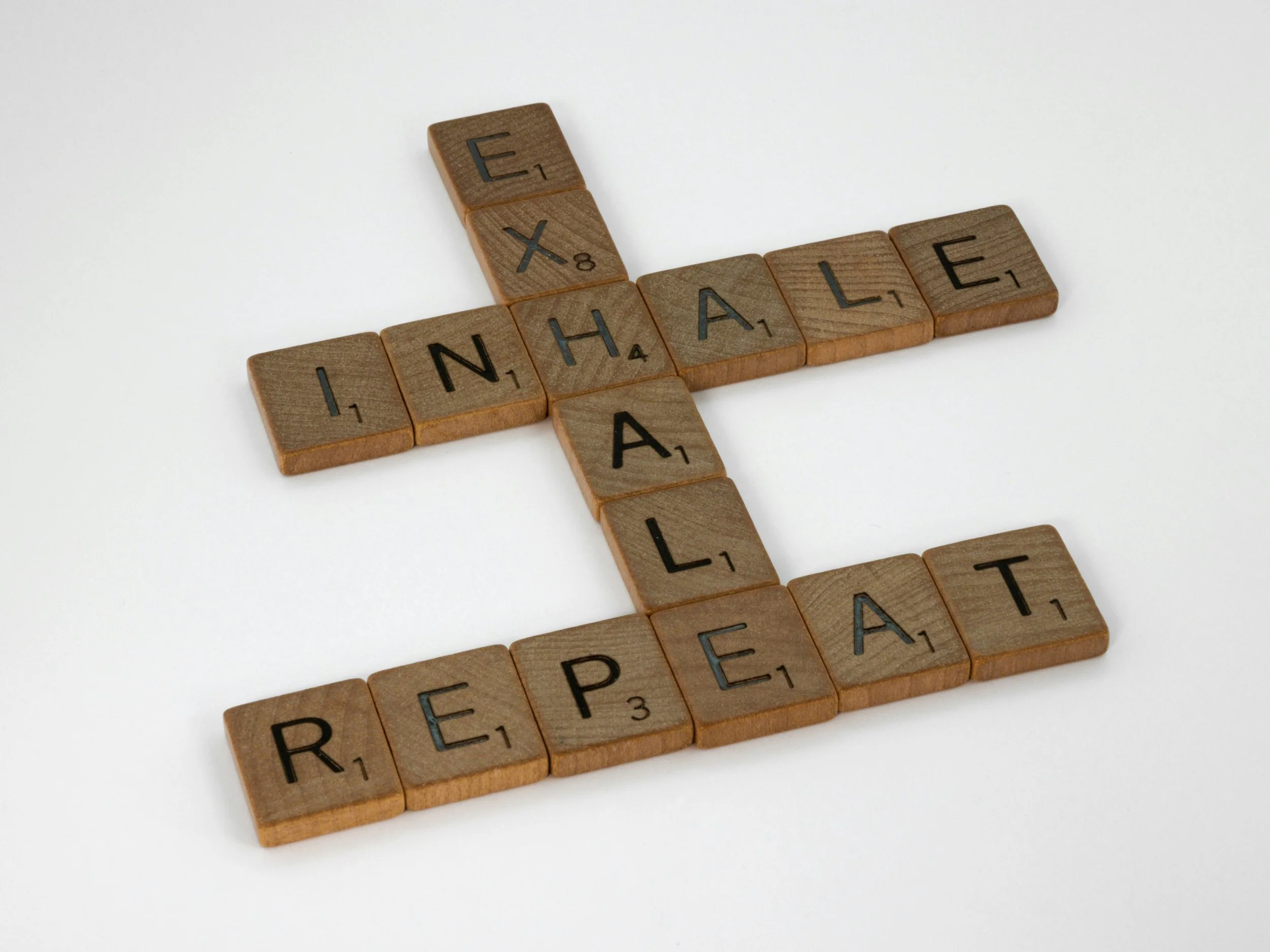
Prepare yourself first. We call this the 60-second circuit breaker. Slow your breathing, with a longer exhale than inhale. Shake out the tension. Name what you’re feeling (“I’m frustrated and rushed”). Get clear on your positive intent. The aim is to settle your own state before you engage with someone else.
Create predictability. “I’d like to discuss the client proposal. Can we meet Thursday at 2pm?” Not the dreaded “We need to talk” followed by days of anxiety. David Rock’s SCARF model identifies certainty as a core driver of threat and reward in social situations, and research shows that not knowing what’s coming is often more stressful than knowing something unpleasant is coming.
Choose your location wisely. Your office with the big desk, or somewhere open where others can see and hear, can amplify the sense of threat. Aim for neutral ground, equal seating and privacy.
The reality check
I worked with a government team where a “tough conversation” meant a calendar invite landing with ten minutes’ notice and no agenda. People were called into the manager’s office, the door was closed and the feedback came fast, often from a leader who was stressed and under pressure themselves.
Think about it from the other side of the desk. No warning, no time to think, a power imbalance and no easy way out. The team began dreading the manager’s name popping up on their screen. Issues stopped being raised until they were too big to ignore. Trust between leadership and the team steadily eroded, and the feedback changed very little.
Before we touched any conversation techniques, we focused on the conditions. Leaders checked their own state first, then set up three things: a scheduled time, a neutral space and a clear purpose shared in advance.
The leaders reported fewer defensive responses, and team members started coming back with their own solutions.
The language matters too, and we’ll get to it over the coming weeks. It only lands when the person on the other side feels safe enough to hear it.
Your next action
Before your next difficult conversation, pause and check your own state. You can’t create safety for others while your own nervous system is firing on all cylinders.
What’s your go-to strategy for managing your own state before a difficult conversation?
Next week, part 2: Build Connection and Trust.