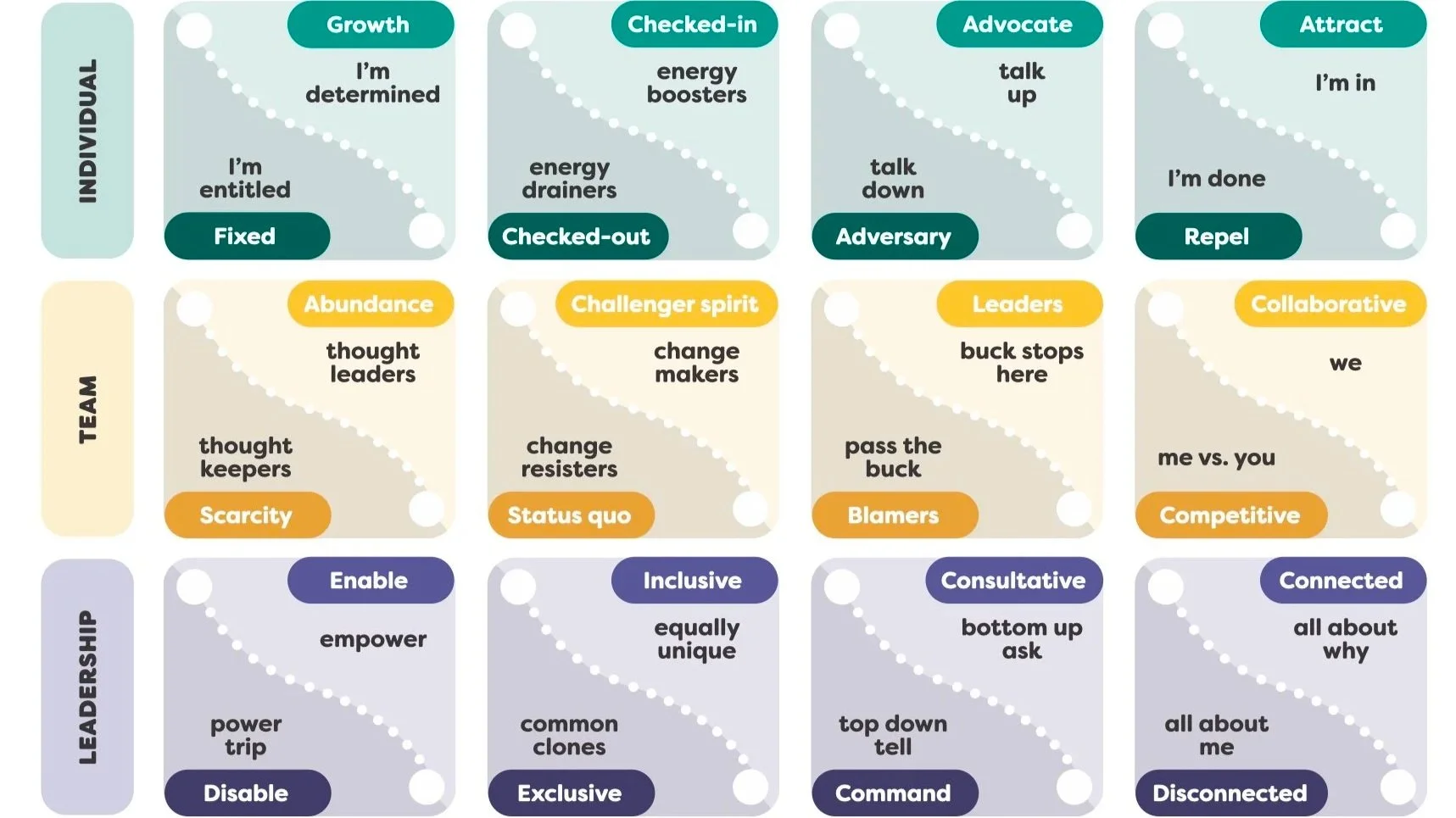
At Human Incite, we talk about ‘creating the right kinda riots (positive behaviours) in your organisation’ to drive performance and well-being.
After 25+ years specialising in the people side of business, I believe there are ‘people riots’ happening every day in our organisations.
Not necessarily the overt kind (such as stop-work meetings or traditional strike situations), although those do happen too. I'm talking about the ones that happen in our teams when people feel unheard, unsupported, and invisible for long enough. They riot - just subtly and quietly.
Perhaps it's the entitlement riot, the team member so focused on what the organisation owes them that they've lost sight of the role they play in the relationship. Or the thought keeper riot, the person sitting on valuable knowledge and ideas, holding them close because information feels like power. Or maybe it's the quietest one of all: the checked-out riot, where someone is physically present every day but mentally and emotionally somewhere else entirely.
People riots play out in toxic behaviours. In the mass withdrawal, the grievances that seem to come from nowhere or the talent that walks out the door with barely a word.
People riots don't erupt. They accumulate. And right now, the conditions are almost perfect for them.
The numbers don't lie
The 2026 Gallup State of the Global Workplace Report landed this week, and for Australian leaders, there are some numbers worth sitting with.
49% of Australian and NZ workers experienced significant stress on a daily basis last year.
That's nine percentage points above the global average.
58% of workers under 35 yrs old reporting daily high stress.
This isn't a blip. In 2011, our daily stress rate was 33%. We've added 16 percentage points in a little over a decade, and it keeps climbing. Our workforce is running hotter than almost anywhere else in the world and most organisations are treating it as a wellbeing issue rather than the leadership issue it actually is.
Stress without conversation becomes something else entirely.
Here's what we see consistently in the organisations I work with:
Stress that gets acknowledged early stays manageable.
Stress that goes unacknowledged transforms. It becomes resentment. Resentment becomes disengagement. Disengagement leads to the ‘people riots’ and behaviours that end up on someone's desk as a performance issue, a complaint, or an exit interview.
The antidote isn't a yoga class or an EAP reminder email. Those have their place, but they don't fix the actual problem. The most powerful thing a leader can do, right now, this week, in the next team meeting, is have a meaningful conversation.
Not a performance review. Not a survey. A genuine, two-way check-in where you actually listen to understand. More conversations, more often! It sounds deceptively simple. But in my experience, it's the single most underused leadership tool in Australian organisations.
‘More conversations, more often’ isn't a communication strategy. It's a risk management strategy.
Create the environment, not just the program.
The Gallup data shows something important: when people enjoy their work, feel it has meaning, and believe they have genuine choice in how they do it, their wellbeing and engagement go up significantly. This isn't about ping pong tables or flexible Fridays. It's about the day-to-day experience of feeling like your work matters and your leader sees you.
The organisations navigating this well right now aren't the ones with the best wellness programs. They're the ones with leaders who stay close to their teams, who notice the temperature before it reaches boiling point, who create the kind of environment where people can actually tell you the truth (a ‘speak-up culture).
Younger workers, especially. The under-35 group reporting 58% daily stress are the people many organisations are counting on to carry them forward. If we don't get this right, we won't just have a people riots on our hands. We'll have a pipeline crisis too.
One simple place to start.
This week, schedule a 20-minute check-in conversation with each person on your team.
Block the time in your diary, put the phone away, be fully present and ask them:
How they're finding their role right now?
What’s energising them?
What's draining them?
What would make the biggest difference to their week?
Then listen.
Because the data is clear. Our workforce is more stressed than it's ever been. The question isn't whether it's going to show up in your team. It's whether you'll hear it before it shows up in negative ‘people riots’.